Why Material Choices Matter More Than Most Homeowners Expect
A home extension is one of the largest investments you will make in your property. The materials and finishes you choose will shape how the space looks, how it performs over time, and how much ongoing maintenance it demands.
Not every premium product is worth the extra spend. But some materials genuinely earn their price through durability, energy performance, or the way they lift the overall quality of a finished space.
The goal is not to spend more for its own sake. It is to spend wisely on the things that will still be performing well in fifteen years.
Where Cheap Materials Tend to Cost You More Later
Budget materials often look fine on day one. The problems show up later, in warped cabinetry, cracked grout, faded cladding, or flooring that wears through in high-traffic areas.
Rectifying poor material choices after a build is completed is expensive and disruptive. In many cases, the cost of replacement exceeds what you would have spent on a quality product from the start.
This is where working with experienced home extension builders Ipswich homeowners rely on makes a practical difference. They will flag where cutting costs on materials is likely to create problems down the track, and where it is genuinely safe to save.
Flooring: The Surface That Takes the Most Punishment
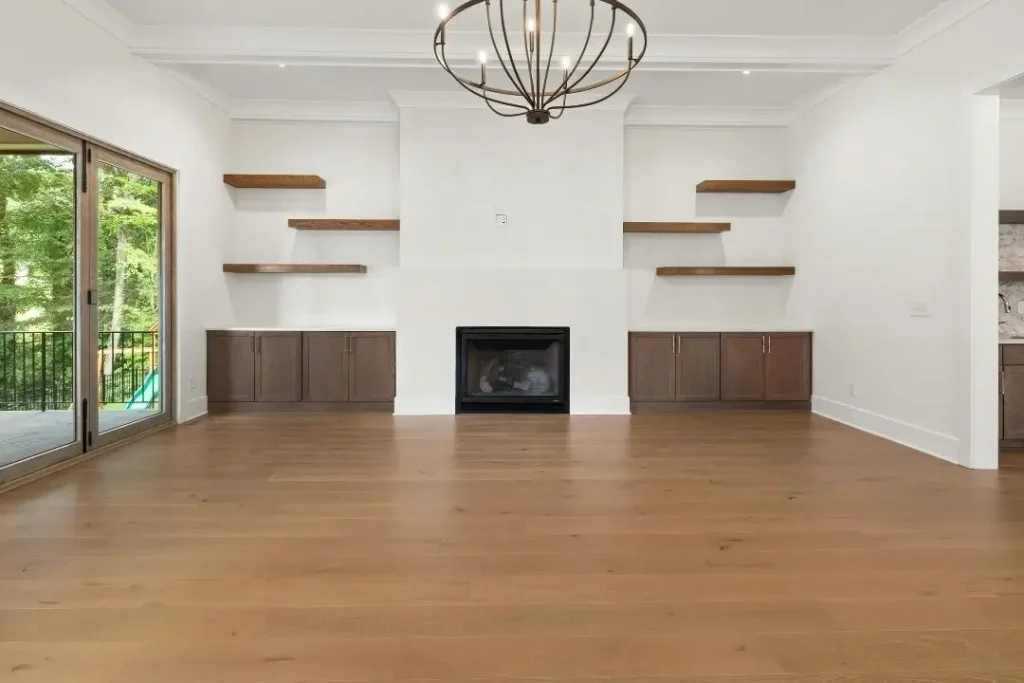
Flooring is one area where quality pays off consistently. Engineered hardwood, porcelain tile, and polished concrete all hold up well in Queensland conditions and age gracefully with normal use.
Cheaper vinyl plank and laminate products have improved, but they still show wear faster in high-traffic areas and can be difficult to repair without replacing entire sections.
In open-plan extensions where the floor runs continuously from living to kitchen to outdoor transition zones, a durable surface makes a significant difference to how the space feels and functions over time.
Windows and Glazing: Performance You Can Feel
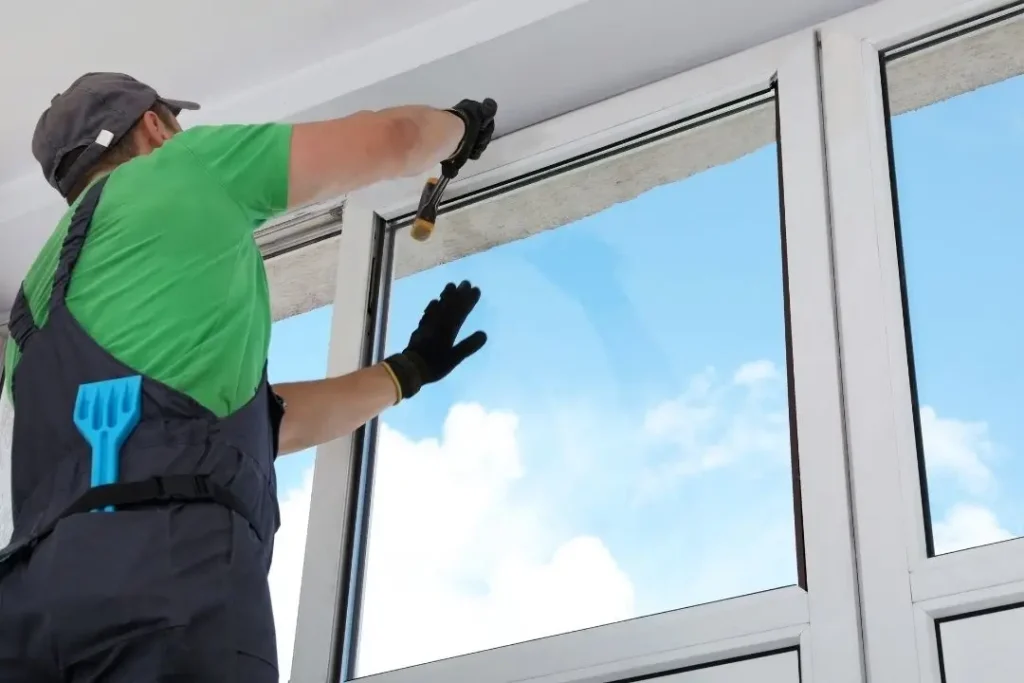
In Queensland's climate, windows do a lot of work. Single-glazed aluminium frames transfer heat readily, which means your air conditioning works harder and your energy bills reflect it.
Double-glazed windows with thermally broken frames reduce heat transfer substantially. They also reduce condensation and improve acoustic performance, which matters if your extension faces a road or a neighbour's outdoor area.
The upfront cost of quality glazing is higher, but the reduction in ongoing energy costs makes it one of the more defensible premium investments in any extension project.
Cladding and External Finishes: What Holds Up in Queensland
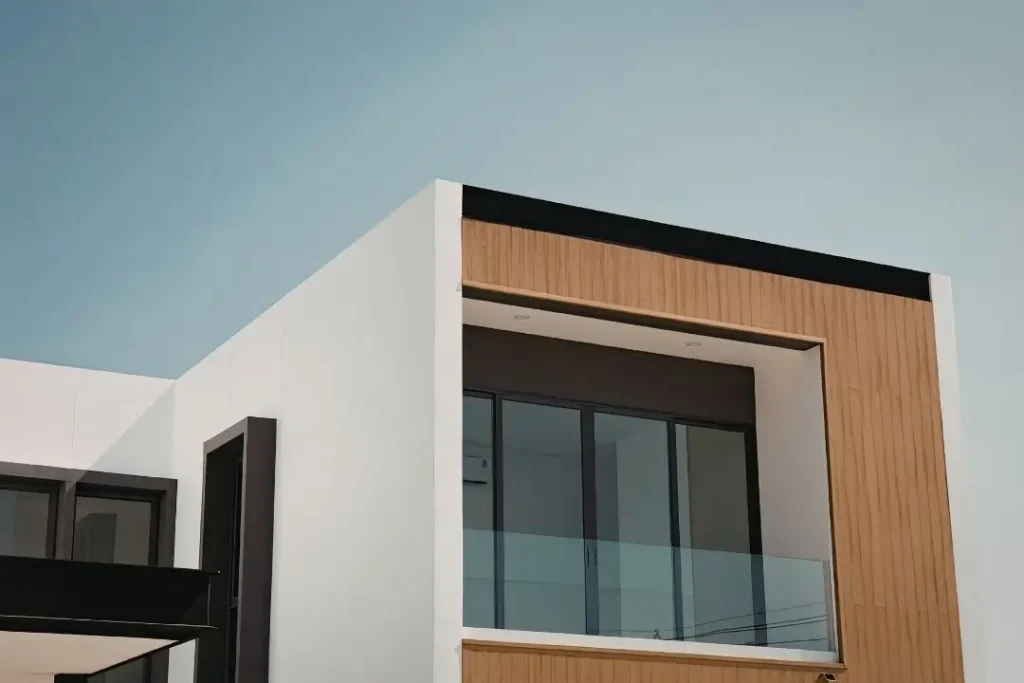
External materials face UV exposure, humidity, and the occasional severe storm. Fibre cement, rendered masonry, and quality timber cladding products all perform well when correctly specified and installed.
Cheap painted finishes on poorly prepared substrates tend to peel and chalk within a few years. Repainting an extension is not a major cost in isolation, but it is an avoidable one.
Selecting building materials suited to the Australian climate is not just about aesthetics. It directly affects how long the external envelope of your extension holds up without intervention.
Kitchens and Bathrooms: Where Finish Quality Is Most Visible
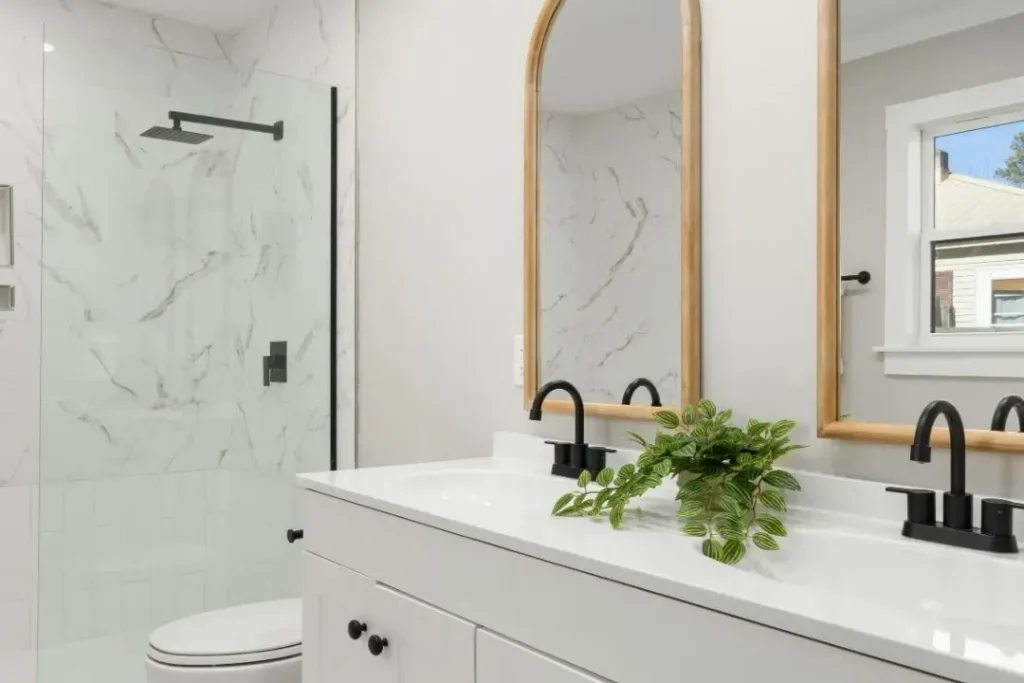
These are the rooms where material quality is most apparent to anyone using the space. Soft-close cabinetry, stone benchtops, and quality tapware all signal a level of finish that cheaper alternatives cannot replicate convincingly.
Stone benchtops, particularly engineered quartz, are worth the investment in a kitchen extension. They resist staining, do not require sealing, and hold their appearance well under daily use.
In bathrooms, rectified porcelain tiles with tight grout joints look cleaner and are easier to maintain than cheaper ceramic options with wider grout lines that discolour over time.
Insulation and Thermal Performance: The Invisible Investment
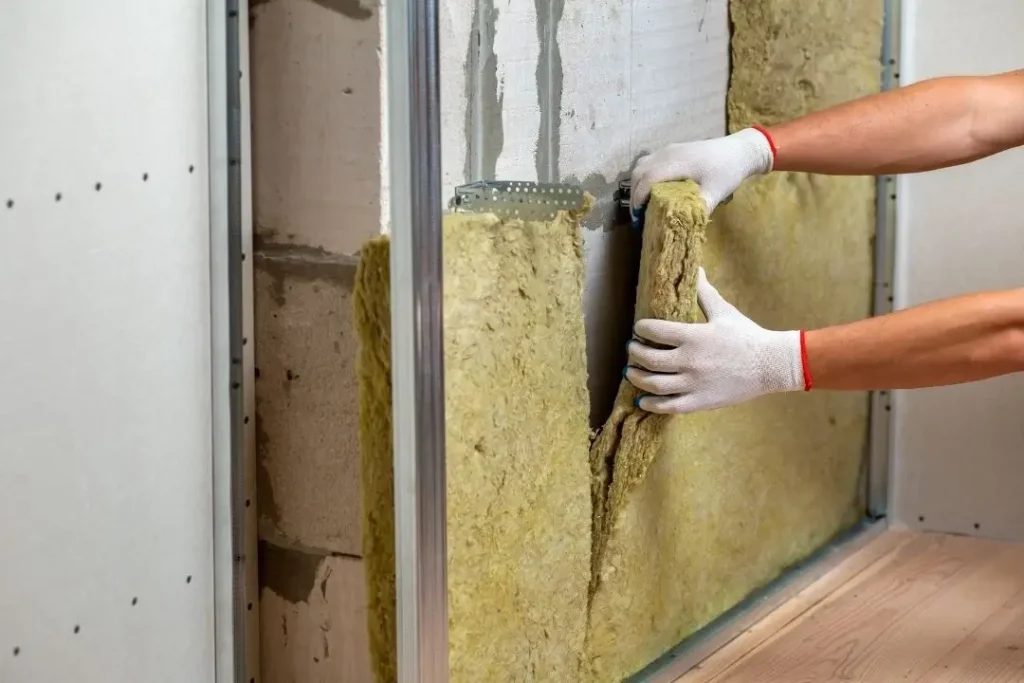
Insulation is one of the least glamorous line items in a build, but it has a direct effect on how comfortable your extension is year-round. Underspecifying insulation to save money is a common decision that homeowners tend to regret.
Bulk insulation in walls and ceilings, combined with reflective foil sarking, is the standard approach for Queensland extensions. Upgrading to higher R-value products in ceiling spaces is relatively low cost at build time and difficult to retrofit later.
Sustainable building materials and thermal design principles are increasingly well understood in residential construction, and the long-term comfort gains from a well-insulated extension are real and measurable.
Structural Materials: Not the Place to Cut Corners
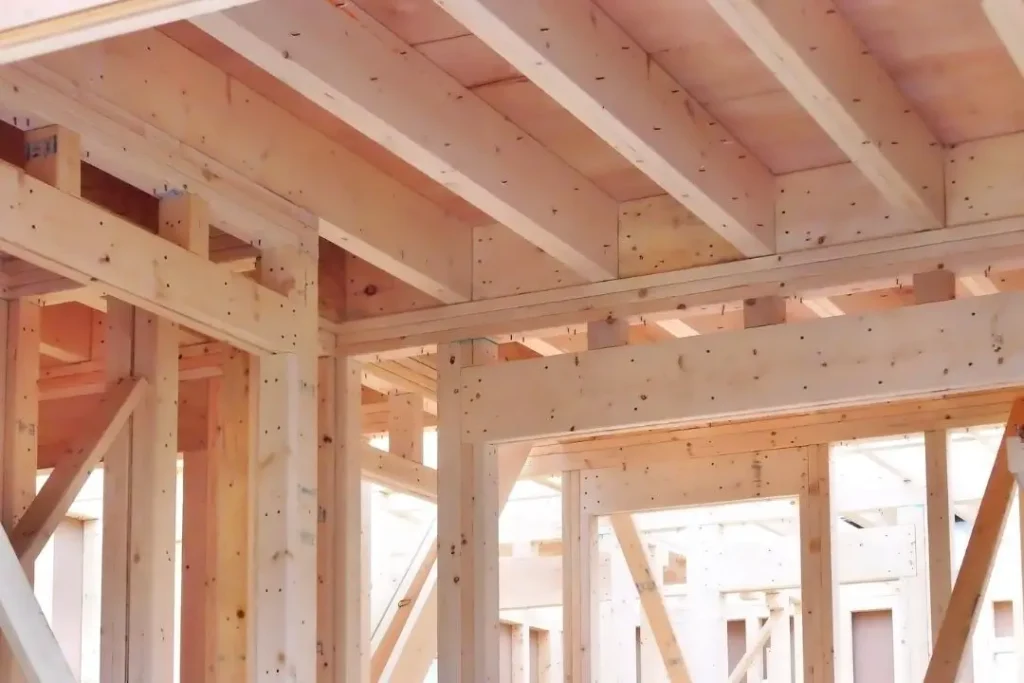
The structural frame, footings, and connections in your extension are not visible once the build is complete, but they determine how the building performs over its entire life.
Specifying treated timber or steel framing appropriate to your site conditions is not optional. In Queensland, termite management and moisture resistance requirements are serious considerations that affect material selection from the ground up.
A builder who pushes back on structural specifications to reduce cost is worth questioning carefully. These are not areas where the savings justify the risk.
How Material Choices Affect Your Property's Long-Term Value
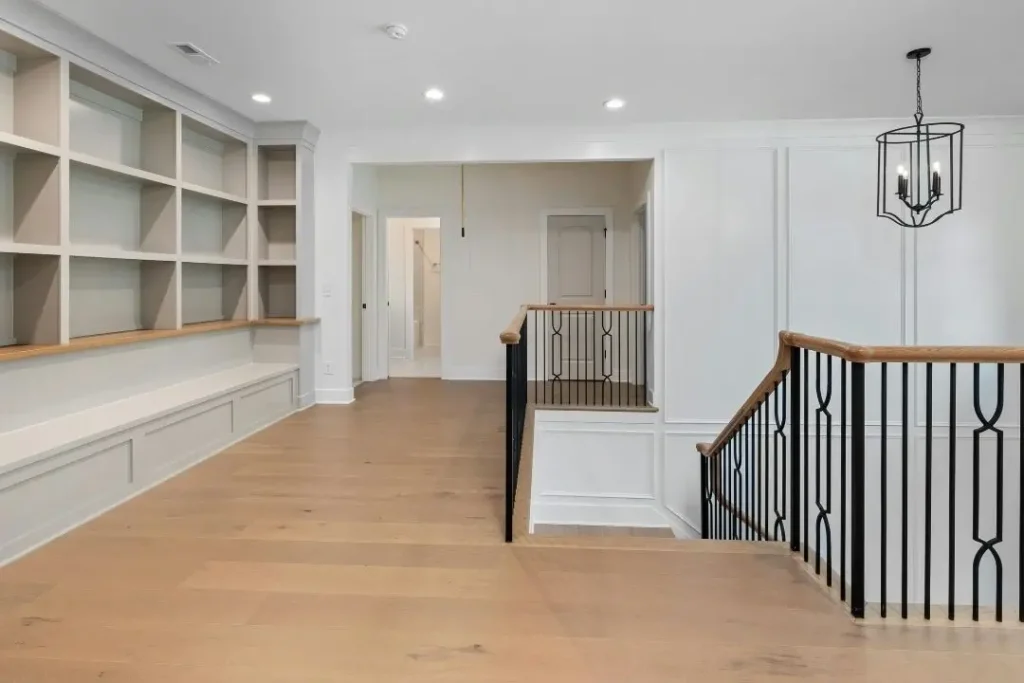
A well-finished extension adds measurable value to a property. The quality of materials used is one of the factors that buyers and valuers assess when forming a view on what a home is worth.
Extensions that look dated or show signs of wear within a few years do not hold their value in the same way. Understanding how extension design affects property value can help you make more informed decisions about where to invest in quality.
This is particularly relevant for larger projects. A second storey addition, for example, represents a significant capital investment, and the finish quality throughout will have a direct bearing on how the market values the completed home.
Balancing Budget and Quality Without Compromising the Result
Most extension budgets require some trade-offs. The practical approach is to identify the materials that are hardest to upgrade later and prioritise quality there, while accepting more modest specifications in areas that are easier to update over time.
Flooring, windows, insulation, and structural elements fall into the first category. Lighting fixtures, paint colours, and some hardware fall into the second.
A clear brief to your builder about where quality matters most to you will produce better outcomes than a general instruction to keep costs down across the board.
Sustainable Materials Are an Option Worth Considering
The range of sustainable building products available for residential extensions has expanded considerably. Recycled content insulation, low-VOC paints, and responsibly sourced timber are all practical options that do not require a premium budget.
Some sustainable materials do carry a higher upfront cost, but they often perform better over time and align with tightening energy efficiency requirements in Queensland. Your builder should be able to advise on which sustainable products are well-suited to your project type and local conditions.
Talk to Your Builder Before You Lock In a Specification
The best time to discuss material choices is before documentation is finalised, not after the contract is signed. Changes made during construction are almost always more expensive than decisions made at the design stage.
If you are planning a home extension in Ipswich and want practical advice on which finishes and materials are worth the investment for your specific project, our team is ready to help. You can reach us through our project enquiry form or call us directly on (07) 3477 9660 to book your free consultation.